Your Personal Dock Leaf: Finding Relief Amidst Life's Stings
Life, much like a stroll through an overgrown field, inevitably presents us with unexpected stings. Just as the unassuming nettle can deliver a sharp, burning reminder of nature's prickliness, our daily existence throws challenges that leave us feeling raw, exposed, and in need of solace. But what if, for every sting, there was a readily available, often overlooked remedy – a simple plant offering immediate relief? Enter the dock leaf, a humble hero of the plant kingdom, renowned for its traditional soothing properties. Yet, beyond its botanical use, the dock leaf offers a profound metaphor: a guide to identifying and cultivating our own sources of comfort and resilience amidst life's inevitable turmoils.
The Dock Leaf: Nature's Immediate Balm
For generations, a piece of common wisdom has been passed down in Britain and beyond: if you're stung by a nettle, seek out a dock leaf. Rubbing its broad, cooling surface onto the affected skin is said to alleviate the sting, easing the pain and irritation. This isn't just an old wives' tale; many swear by its effectiveness, finding swift relief from that familiar fiery itch.
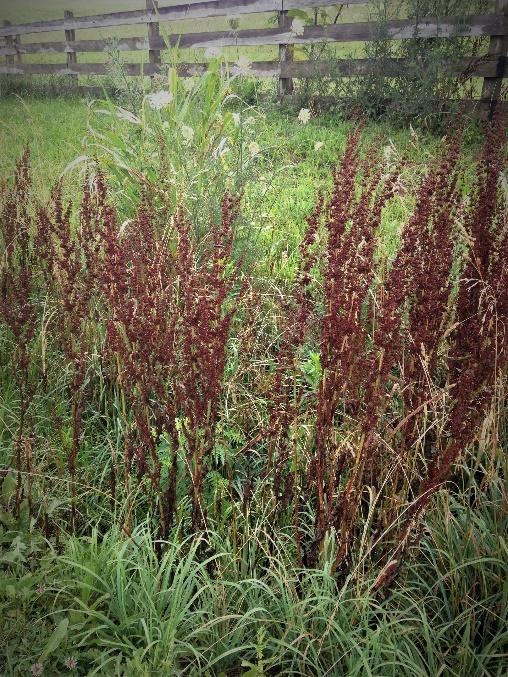
But how do you identify this natural antidote? Dock leaves are typically large, oval-shaped, and somewhat wavy at the edges, often growing in clusters. Their vibrant green hue is unmistakable, and they commonly thrive in the same environments as nettles – a convenient twist of fate designed by nature itself. Next time you're out walking, take a moment to observe these ubiquitous plants. Knowing how to spot a dock leaf isn't just a useful piece of outdoor lore; it's a practical skill that can turn an uncomfortable moment into a manageable one. Imagine the quiet satisfaction of finding your relief right where you need it, a testament to nature's simple gifts.
The exact scientific mechanism behind the dock leaf's soothing effect is often debated, with some attributing it to a natural cooling sensation, a mild counter-irritant, or even a placebo effect rooted in generations of anecdotal evidence. Regardless of the precise science, its role as a readily accessible balm in a moment of discomfort is undeniable. To learn more about this natural outdoor remedy, check out our article: Dock Leaf for Nettle Stings: Your Natural Outdoor Remedy.
Beyond the Sting: A Dock Leaf for the Environment
While most of us associate the dock leaf with personal comfort, its quiet contributions extend far beyond soothing nettle stings. This seemingly common plant plays a crucial, often unsung, role in ecological balance, particularly within organic farming landscapes. Rather than viewing docks solely as weeds, a deeper look reveals an intricate natural relationship that benefits the environment.
Consider the emerald green dock beetle, Gastrophysa viridula. These small but mighty insects have a particular fondness for dock leaves. Their larvae, often found munching through the broad surfaces, create the "lacy" patterns that might initially seem like damage but are, in fact, signs of a healthy ecosystem at work. Organic farmers, in particular, recognize these beetles as valuable allies. By naturally controlling the proliferation of dock plants – which are otherwise prolific seed producers – these tiny creatures help maintain ecological equilibrium without the need for harsh chemical sprays.
This symbiotic relationship embodies a profound lesson in environmental "kindness." Instead of battling nature with chemicals, organic farming embraces the inherent balance, allowing species like the dock beetle to perform their natural function. It's a reminder that even the most seemingly insignificant elements of our natural world, like a heavily munched dock leaf, can hold vital clues to sustainable practices and a healthier planet. These small, often unseen contributions highlight how nature has its own ingenious ways of self-regulation, offering a truly organic solution to agricultural challenges. Discover more about their environmental impact in our article: Beyond Weeds: How Dock Leaves Support Organic Farms.
Identifying Your Personal Dock Leaf Amidst Life's Turmoil
Just as a field of nettles needs its docks, life's inevitable "stings" often hide their corresponding remedies. The last few years, for many, have been a period of intense turmoil – a metaphorical field of sharp nettles. The global pandemic, for instance, delivered unprecedented challenges, from health anxieties and economic uncertainty to profound social isolation and the overwhelming "noise" of constantly changing guidelines and information. In such moments, the question becomes: what is your personal dock leaf?
When the external world feels chaotic and our internal landscape is equally loud, identifying what truly provides solace can be challenging. We might find ourselves in "survival mode," gripping our stories tightly, enduring, and waiting for the moment to exhale. The reference to King Lear's Fool, with his wisdom to "have more than thou showest, speak less than thou knowest," resonates deeply in these times. We often guard our vulnerabilities, our fears, and even our sources of comfort, perhaps feeling they are too personal or "corny" to share.
Yet, the power of a personal dock leaf lies precisely in its ability to bring relief. It's that unexpected source of calm, strength, or joy that helps you navigate the "vein-walking" of life's intricate paths. For some, it might be a cherished "love story" – a relationship that provides unwavering support. For others, it could be a creative outlet, a quiet hobby, or simply the restorative power of nature. The key is to consciously look for it, to acknowledge its presence, and to allow it to do its soothing work. Often, this personal remedy is closer than we think, hidden in plain sight amidst the very challenges we face.
Cultivating Your Inner Dock Leaf: Practical Strategies for Resilience
Finding your personal dock leaf isn't always about a grand revelation; it's often about recognizing the small, consistent acts, people, or passions that restore your balance. Cultivating this inner resilience requires intention and self-awareness. Here are some practical strategies to help you identify and nurture your own sources of relief:
- Reflect and Acknowledge: Take time for quiet reflection. What activities genuinely make you feel lighter, more centered, or simply more at peace? Is it a walk in nature, a good book, listening to music, or a conversation with a trusted friend? Acknowledge these as your personal balms.
- Embrace Connection: Human connection is a powerful antidote to isolation and stress. Whether it's sharing your worries with a loved one, laughing with friends, or simply being present for someone else, these bonds can be incredibly restorative. Don't be afraid to share your stories, even if they feel "corny." There's profound strength in vulnerability.
- Seek Moments of Joy (However Small): Amidst life's larger challenges, it's easy to overlook small pockets of joy. Notice the warmth of your morning coffee, the beauty of a sunset, or the simple pleasure of a pet's affection. These tiny "holes" of delight can collectively create a tapestry of resilience.
- Engage in Mindful Practices: Mindfulness, meditation, or even just conscious breathing can help quiet the internal "noise." These practices allow you to step back from overwhelming thoughts and find a moment of calm, much like finding a clear patch after navigating dense undergrowth.
- Rediscover Hobbies and Passions: What did you love to do before life got complicated? Reconnecting with old hobbies or discovering new ones can provide a much-needed mental escape and a sense of accomplishment.
- Practice Self-Compassion: Be kind to yourself. Acknowledge that life's stings are real, and it's okay to feel their impact. Give yourself permission to seek relief and to prioritize your well-being.
Just as the dock beetle helps control the wild growth of dock plants, these strategies help us manage the wild, sometimes overwhelming, growth of life's challenges. By consciously seeking out and nurturing our personal dock leaves, we equip ourselves with the tools to not just endure, but to truly thrive.
Conclusion
From a simple plant offering immediate relief for a nettle sting to an ecological partner supporting organic farming, the dock leaf teaches us valuable lessons. It reminds us that comfort often lies close at hand, that nature provides ingenious solutions, and that even the most common elements can hold profound significance. More than a botanical curiosity, the dock leaf stands as a powerful metaphor for resilience. In a world full of "stings" – whether they be physical irritations, environmental concerns, or personal turmoil – the ability to identify and cultivate our own "personal dock leaf" is an invaluable skill. By opening our eyes to these sources of solace, both tangible and intangible, we empower ourselves to navigate life's complexities with greater ease, finding relief and strength exactly where we need it most.