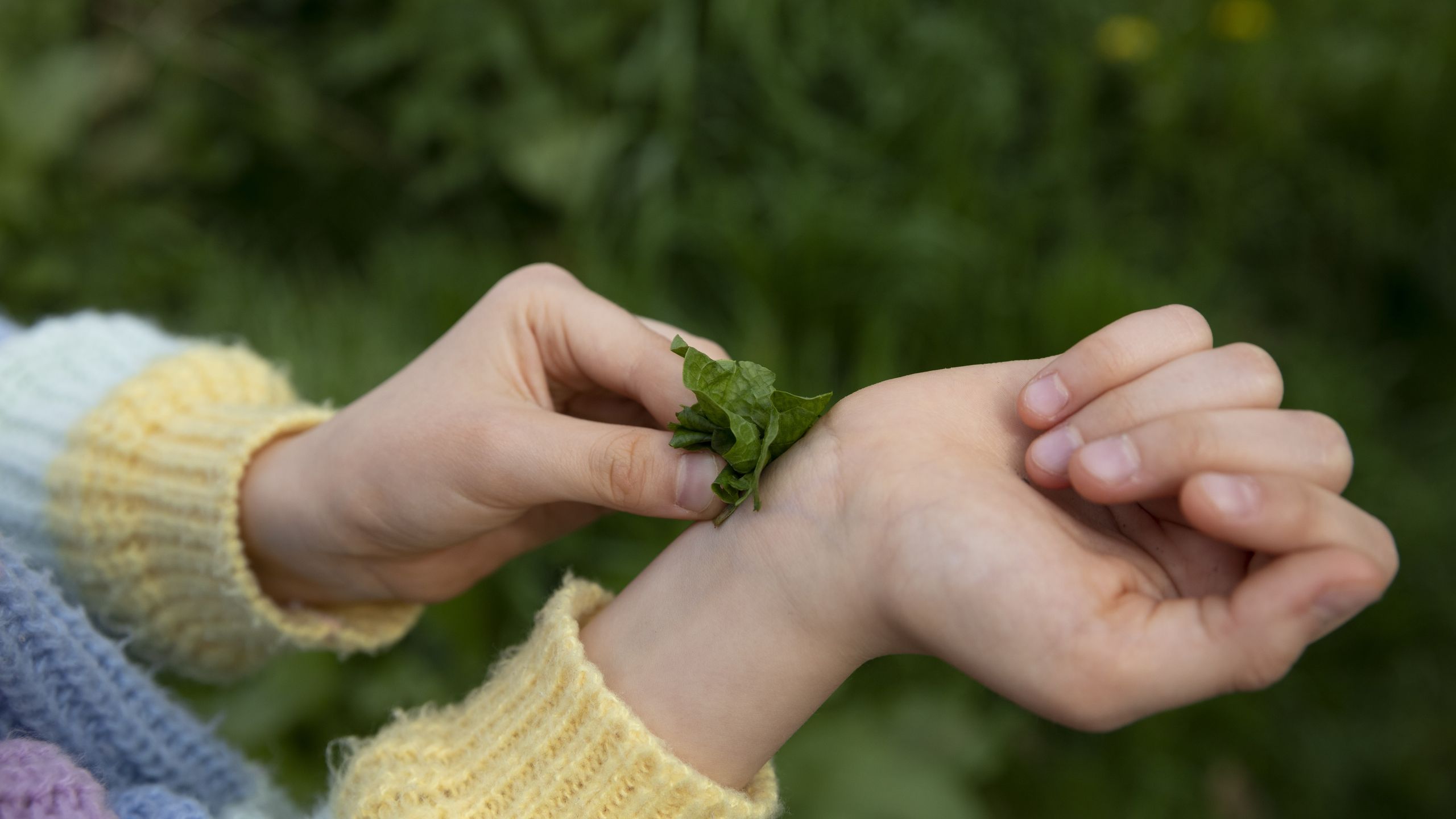
Dock Leaf for Nettle Stings: Your Natural Outdoor Remedy
There's a quintessential outdoor experience for many who enjoy rambling through fields, gardening, or simply exploring nature: the sudden, fiery prickle of a nettle sting. Almost as universal as the sting itself is the instinctive search for its natural antidote – the humble dock leaf. For generations, this readily available plant has been the go-to remedy, a whispered secret passed down through families, offering immediate and welcome relief from the nettle's irritating touch. But what makes the dock leaf such an effective counter to nature's sting, and how can you properly identify and use it when you need it most? Join us as we delve into the science, folklore, and broader ecological significance of this remarkable plant, your ultimate natural first-aid kit for the great outdoors.
The Age-Old Remedy: Dock Leaf for Nettle Stings
In many cultures, particularly throughout Britain and Europe, the knowledge that a dock leaf can soothe a nettle sting is practically ingrained from childhood. Venture into almost any natural space, and where you find a patch of stinging nettles, you'll often find a dock plant growing nearby – nature's ingenious design for self-care. The mechanism behind this botanical balm has been the subject of much discussion, but the relief it provides is undeniable.
Nettle stings are caused by tiny, hollow hairs (trichomes) on the plant's leaves and stems. These hairs act like hypodermic needles, injecting a cocktail of chemicals, including formic acid, histamine, acetylcholine, and serotonin, into the skin. This combination is what triggers the characteristic burning sensation, redness, and itching.
While definitive scientific consensus on the dock leaf's exact counter-action remains somewhat elusive, several theories prevail. One popular belief is that the sap from the dock leaf is slightly alkaline, which helps to neutralize the acidic compounds in the nettle sting. Others suggest that the physical act of rubbing the cool, broad leaf on the affected area provides a counter-irritant or simply a soothing, distracting sensation. Regardless of the precise biochemical interaction, the cool moisture and mild anti-inflammatory properties often attributed to dock sap contribute to its efficacy in alleviating discomfort.
Practical Application: To use a dock leaf for a nettle sting, first, gently crush or roll the leaf between your fingers to release its juices. Then, rub the macerated leaf directly onto the stung area of your skin. Apply gentle pressure and continue rubbing for a minute or two until you feel the stinging sensation subside. Repeat if necessary, using a fresh leaf if the first one dries out or the pain persists. Always ensure the skin is intact and there are no open wounds before rubbing any plant material on it.
Identifying Your Natural First Aid Kit: What Does a Dock Leaf Look Like?
For this natural remedy to be effective, knowing how to correctly identify a dock leaf is paramount. Mistaking another plant for dock could lead to no relief, or worse, an adverse reaction. Fortunately, dock plants are fairly common and have distinct features that make them relatively easy to spot, especially since they often grow in the same damp, nitrogen-rich soils favored by stinging nettles.
Here are key characteristics to look for when identifying a dock leaf:
- Leaf Shape: Dock leaves are typically large, broad, and oval or heart-shaped, sometimes with slightly wavy or crinkled margins. They can range significantly in size, from small seedlings to leaves as large as your hand or even bigger on mature plants.
- Vein Pattern: The veins on a dock leaf are usually very prominent, especially on the underside, and they form a distinct, almost feathery pattern. Look for a central vein with smaller veins branching off.
- Texture: The leaves tend to be smooth to the touch, often somewhat pliable, and can have a slightly glossy appearance. This smoothness is a stark contrast to the hairy, stinging texture of nettle leaves.
- Stem Colour: The stems of many common dock species, such as Broad-leaved Dock (Rumex obtusifolius) and Curled Dock (Rumex crispus), often have a reddish or purplish tinge, particularly near the base.
- Growth Habit: Dock plants grow from a central rosette of leaves, often forming a dense clump. They can grow quite tall when mature, sending up flower stalks.
Where to Find Them: As mentioned, docks frequently grow in close proximity to nettles, making your search much easier. You'll often find them in disturbed ground, meadows, pastures, along hedgerows, and in woodland clearings. Remember to inspect the plant carefully before using it, ensuring it matches the description of a dock leaf and not another plant that might irritate your skin further.
Beyond the Sting: The Ecological Importance of Dock Leaves
While most people appreciate the dock leaf primarily for its ability to soothe nettle stings, its role in the ecosystem extends far beyond being a convenient natural remedy. Dock plants are often considered common "weeds," but their presence is vital to the balance of various habitats, supporting a surprising array of wildlife and even benefiting certain agricultural practices.
One of the most fascinating aspects of the dock leaf's ecological contribution is its relationship with the emerald green dock beetle (Gastrophysa viridula). These beautiful iridescent beetles and their larvae feed almost exclusively on dock leaves. For the young dock beetle larvae, the dock leaf serves as an essential "kindergarten," providing both shelter and their primary food source. You might even spot tiny holes in dock leaves, tell-tale signs of these diligent diners at work.
This natural predation by dock beetles offers significant benefits, particularly for organic farmers. Docks are prolific seed producers, and left unchecked, they can quickly colonize fields. However, the dock beetle acts as a natural biological control agent, keeping dock populations in check. This symbiotic relationship reduces the need for chemical herbicides, making the beetles essential allies in environmentally kind farming practices. By allowing nature to manage its own balance, organic farms can maintain soil health and biodiversity without relying on synthetic sprays that could harm other beneficial insects and the wider environment.
Thus, the dock leaf, far from being just a nuisance plant, plays a crucial role in supporting insect populations and promoting sustainable agricultural methods, illustrating how even the most common "weed" can be an integral part of a healthy ecosystem.
Finding Your "Dock Leaf" in Life's Stings
The practical utility of the dock leaf for nettle stings has long been a source of comfort, but the plant's symbolism goes deeper. In challenging times, the concept of finding one's "dock leaf" has emerged as a powerful metaphor for discovering relief, resilience, and solutions close at hand, often in unexpected places. Just as the dock leaf is often found growing near the stinging nettle, life's challenges sometimes present their own antidotes.
The past few years, marked by global upheavals and personal trials, have underscored the universal human need for solace and practical coping mechanisms. Many found themselves grappling with unprecedented situations, from navigating new health concerns and economic anxieties to coping with isolation. In such moments, identifying what truly provides comfort, guidance, or a way forward becomes paramount. This could be a supportive community, a beloved hobby, an unexpected act of kindness, or a renewed connection with nature itself.
Embracing the metaphor of the dock leaf means actively seeking out the small, often simple, things that can ease emotional or mental "stings." It encourages us to pause, reflect, and identify what brings us calm amidst chaos. Perhaps it's the quiet contemplation of a garden, the therapeutic rhythm of a walk in the woods, or simply sharing a story with a trusted friend. These "personal dock leaves" may seem unassuming, but their power to soothe and heal can be profound.
Just as we learn to identify the physical dock leaf to counter a nettle's sting, we can also cultivate an awareness of what provides us psychological and emotional relief. Recognizing and utilizing these personal remedies is a vital skill for navigating the inevitable challenges of life, reminding us that solutions often lie closer than we think, offering a moment of respite and the strength to carry on. For a deeper dive into this concept, explore Your Personal Dock Leaf: Finding Relief Amidst Life's Stings.
From a swift outdoor remedy to an ecological cornerstone and a profound metaphor for resilience, the dock leaf embodies nature's simple yet potent wisdom. Its ability to soothe the sting of a nettle is a testament to the natural world's inherent capacity for balance and healing. So, the next time you find yourself reaching for this unassuming plant, take a moment to appreciate its multifaceted value – a true natural treasure, always ready to offer its comforting embrace.